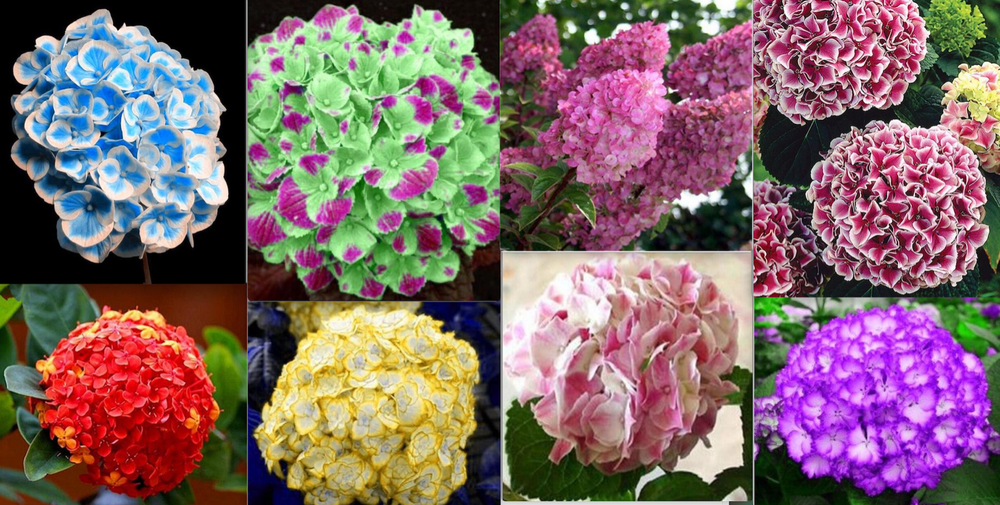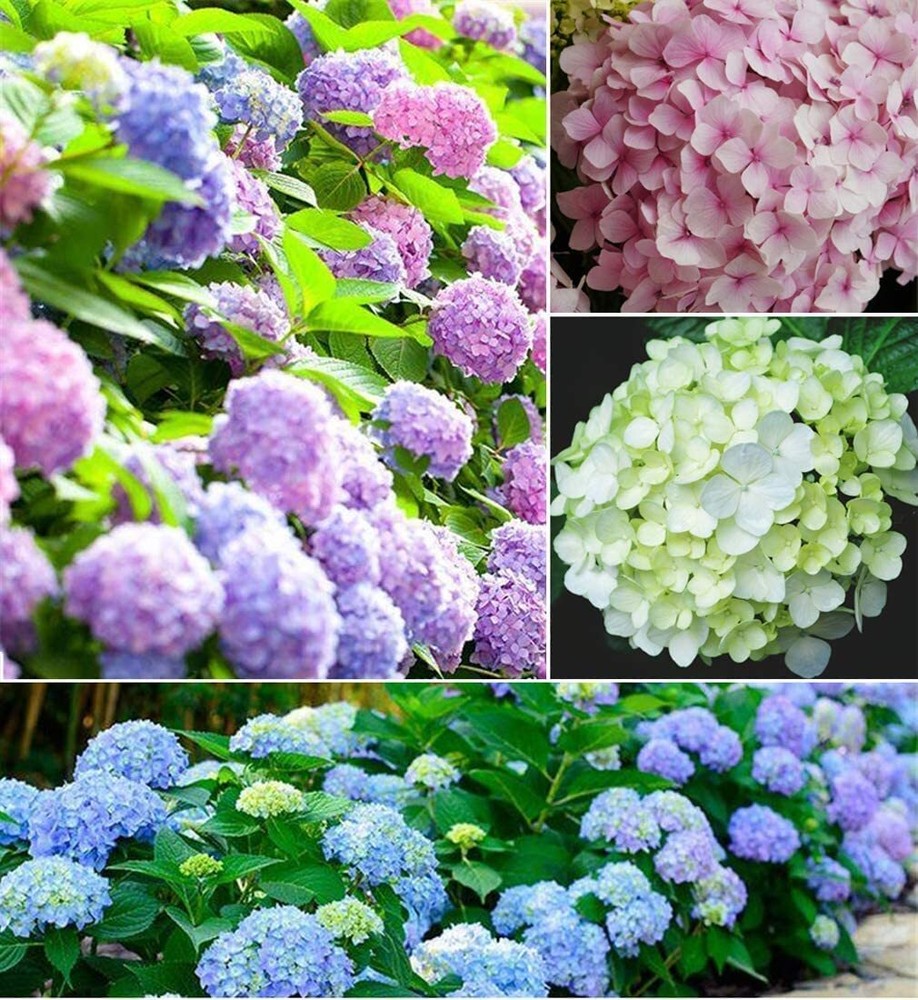

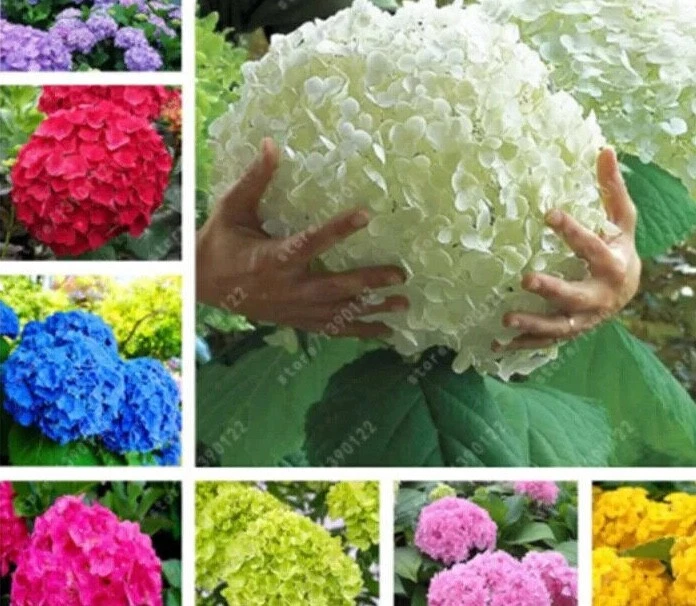
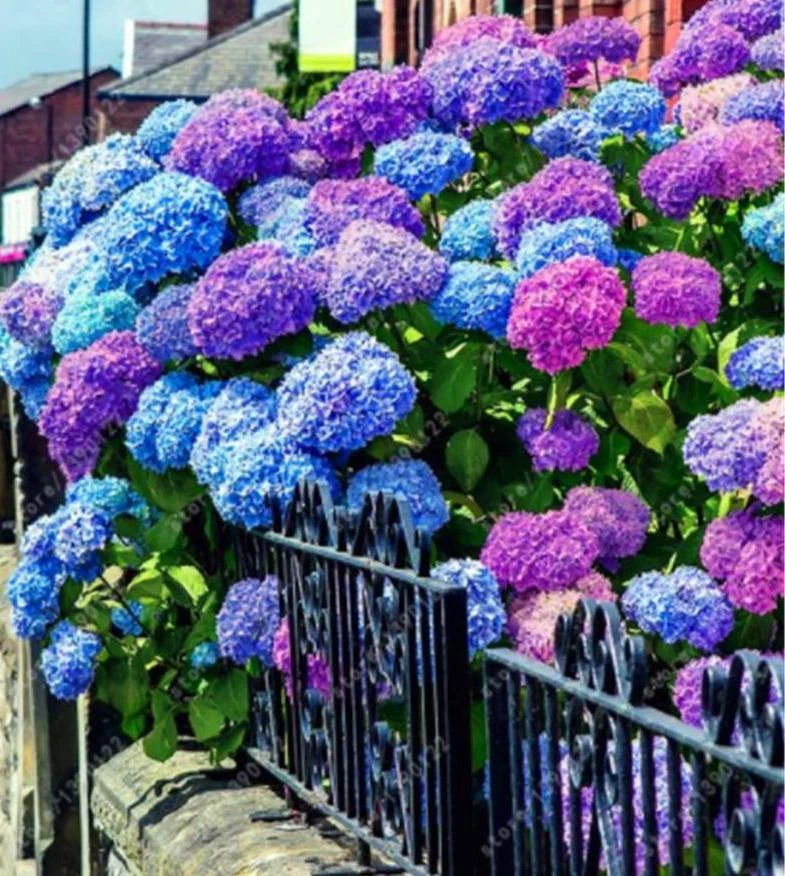
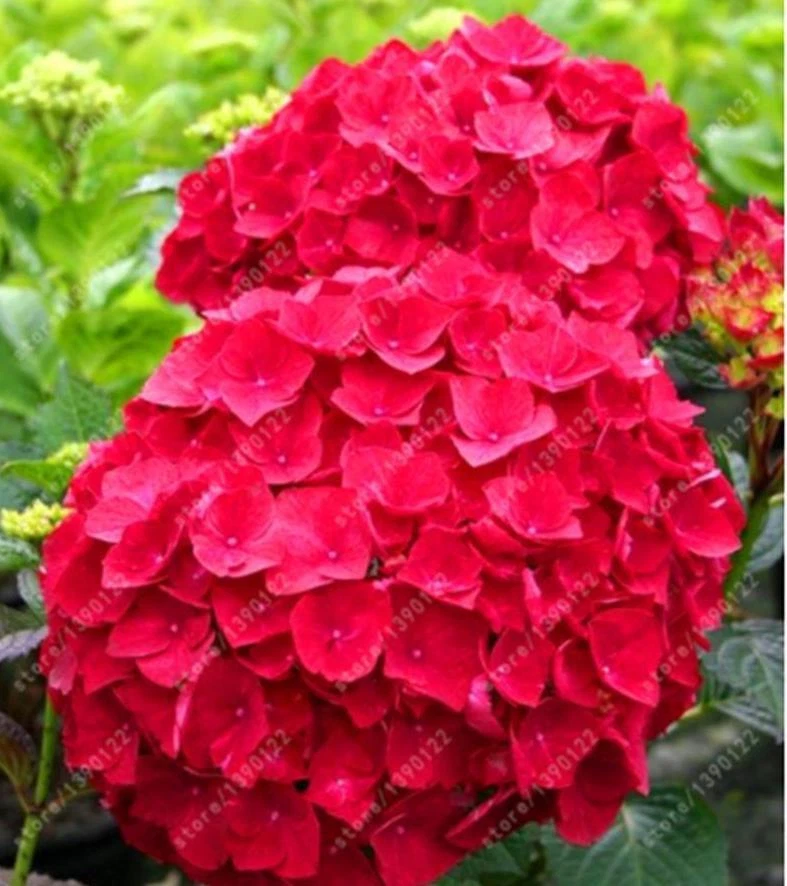
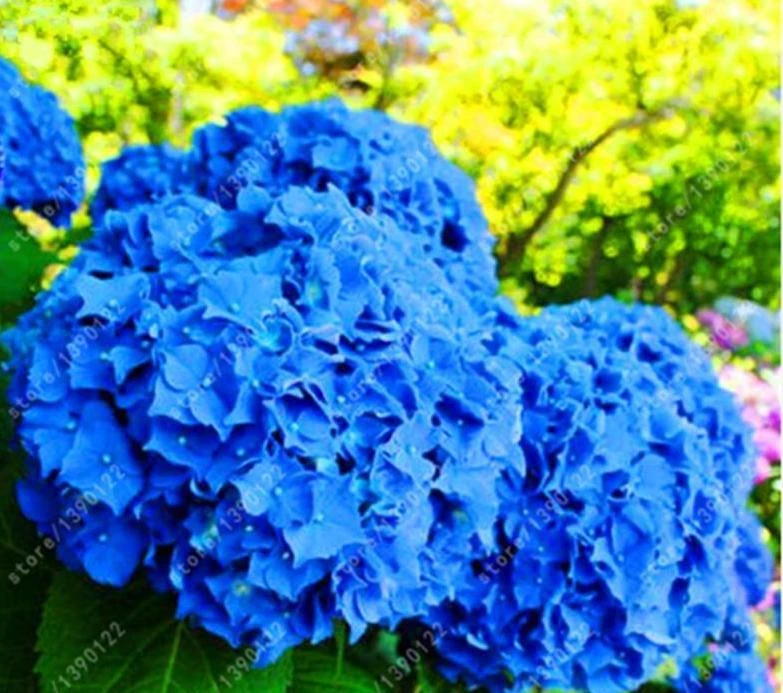
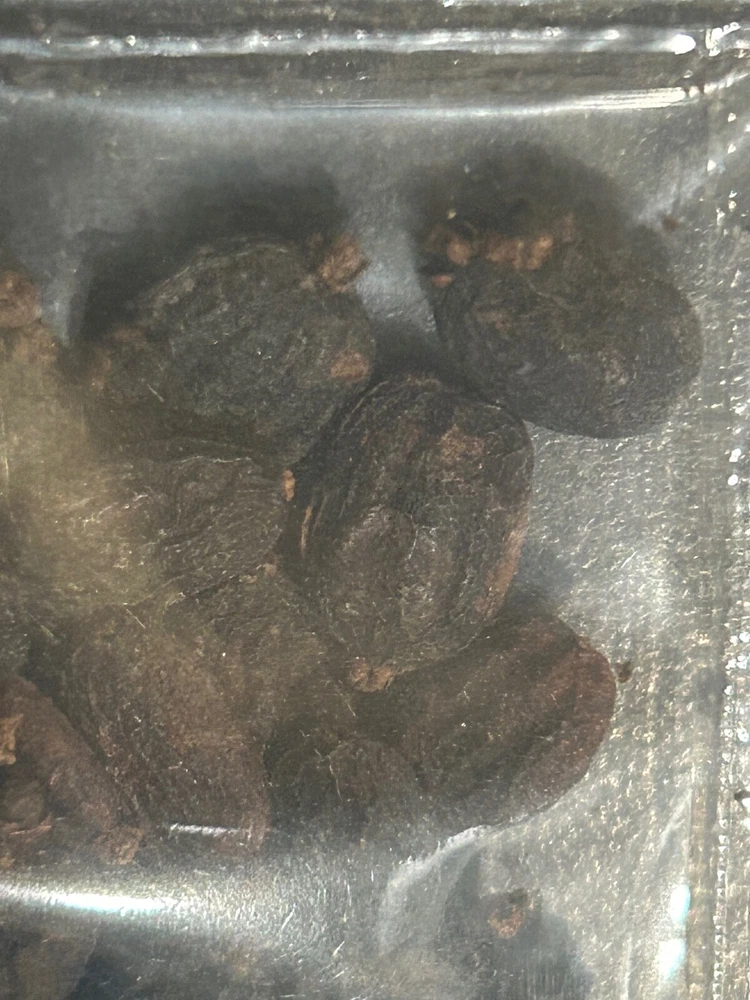
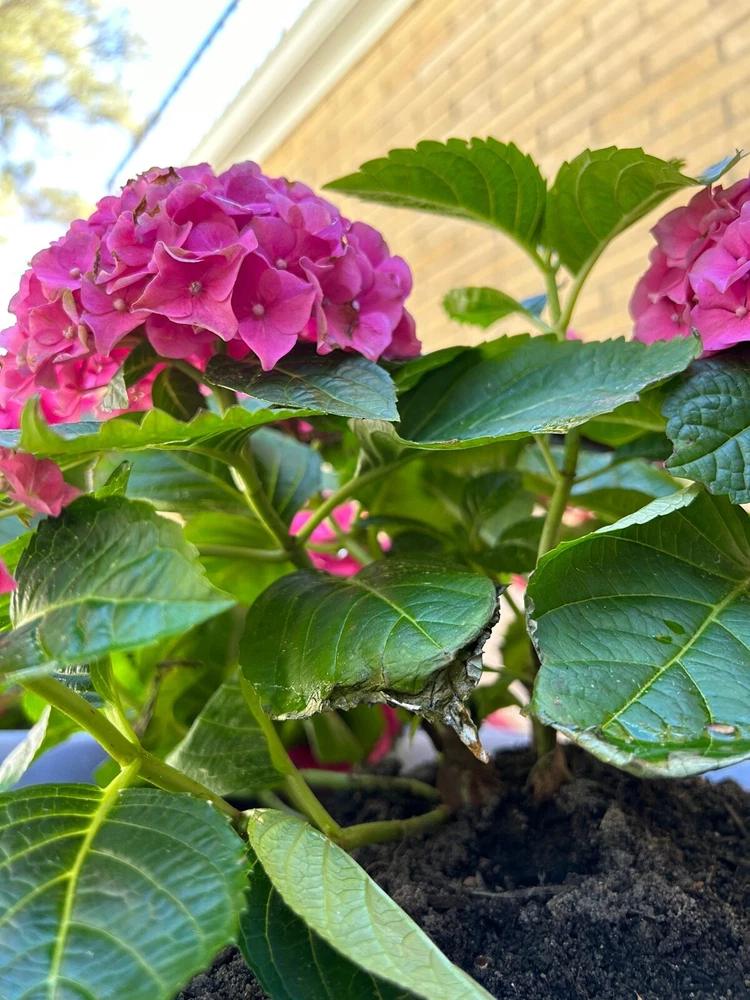
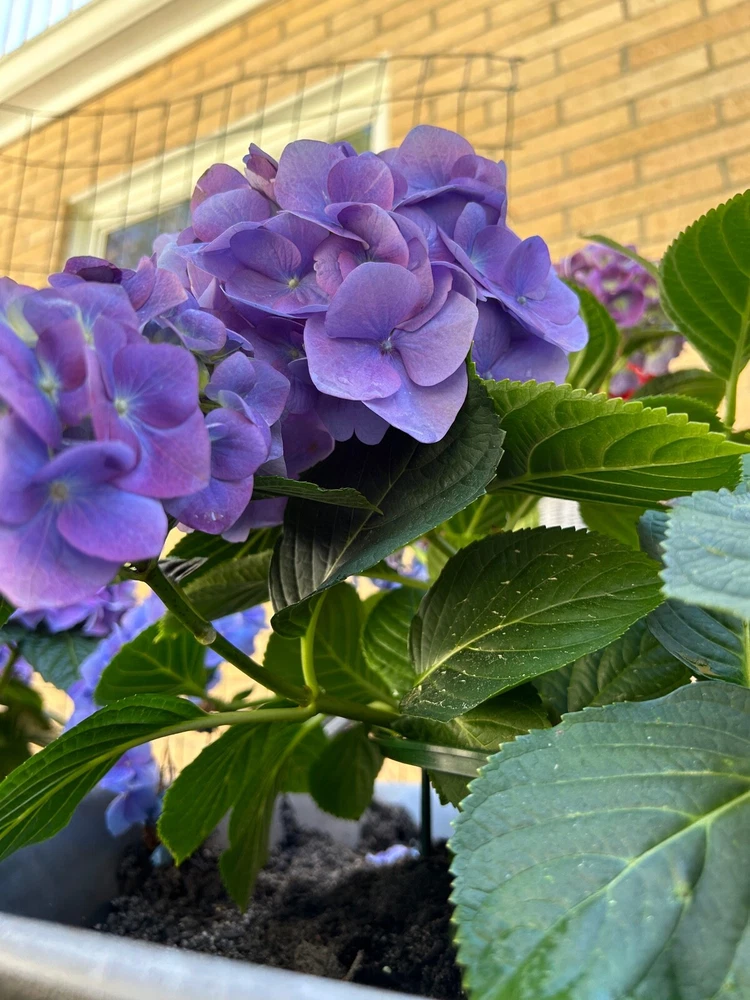
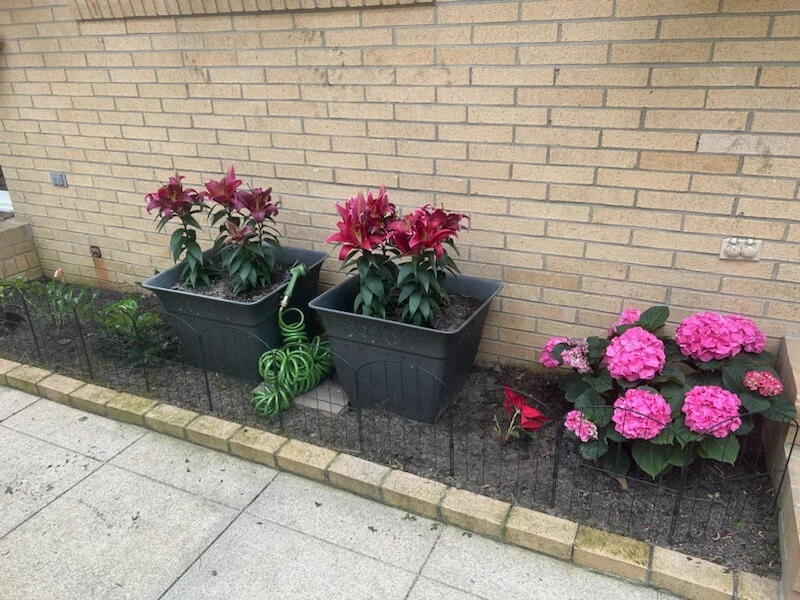
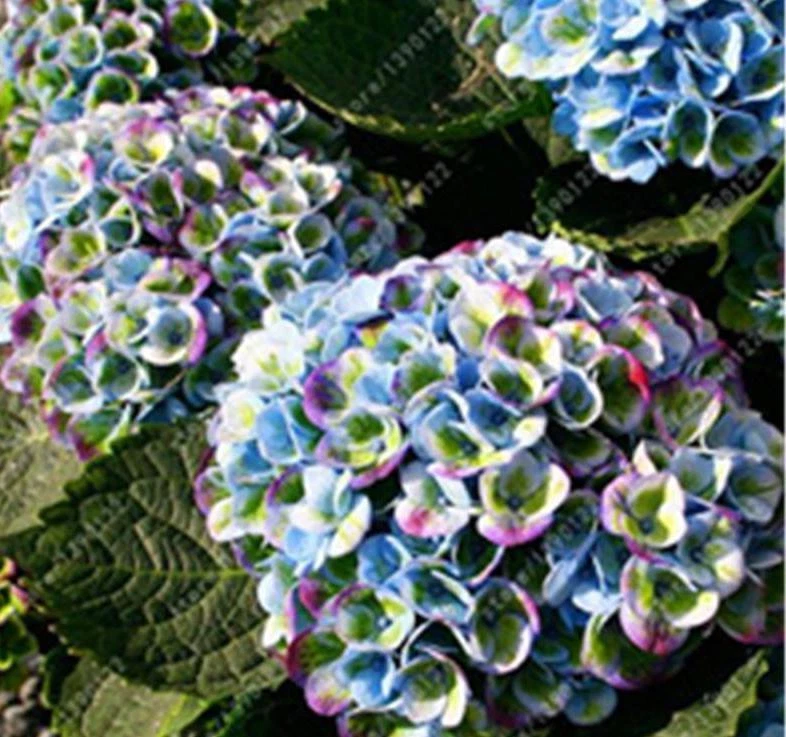
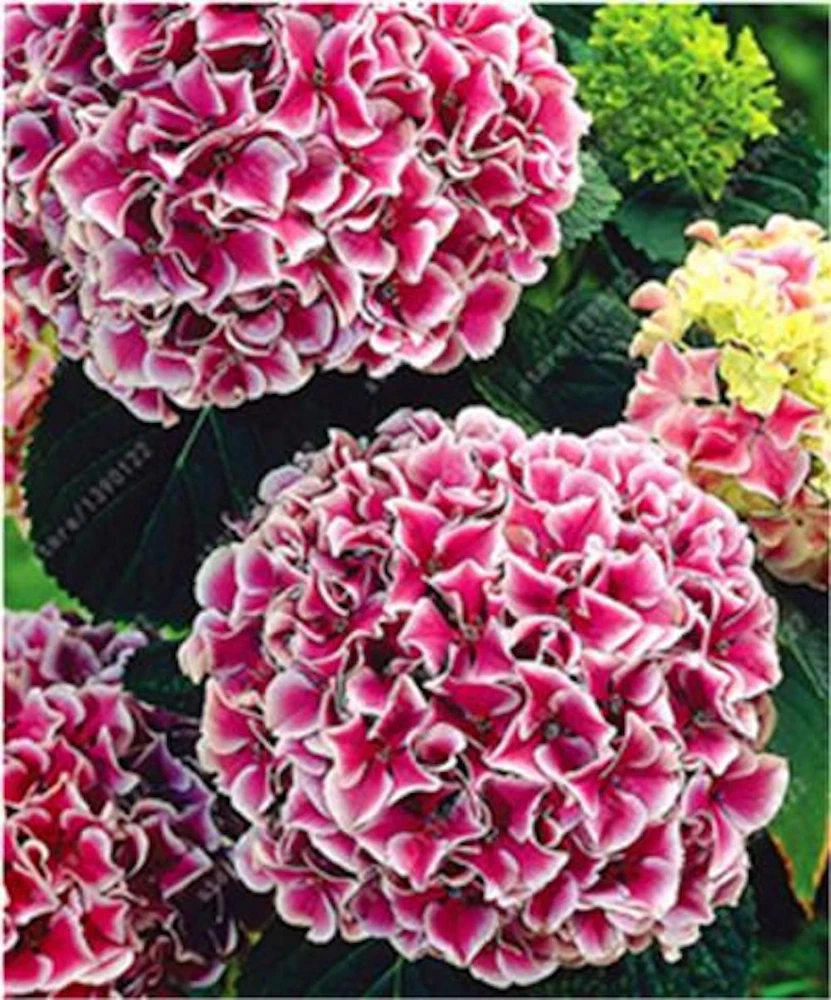
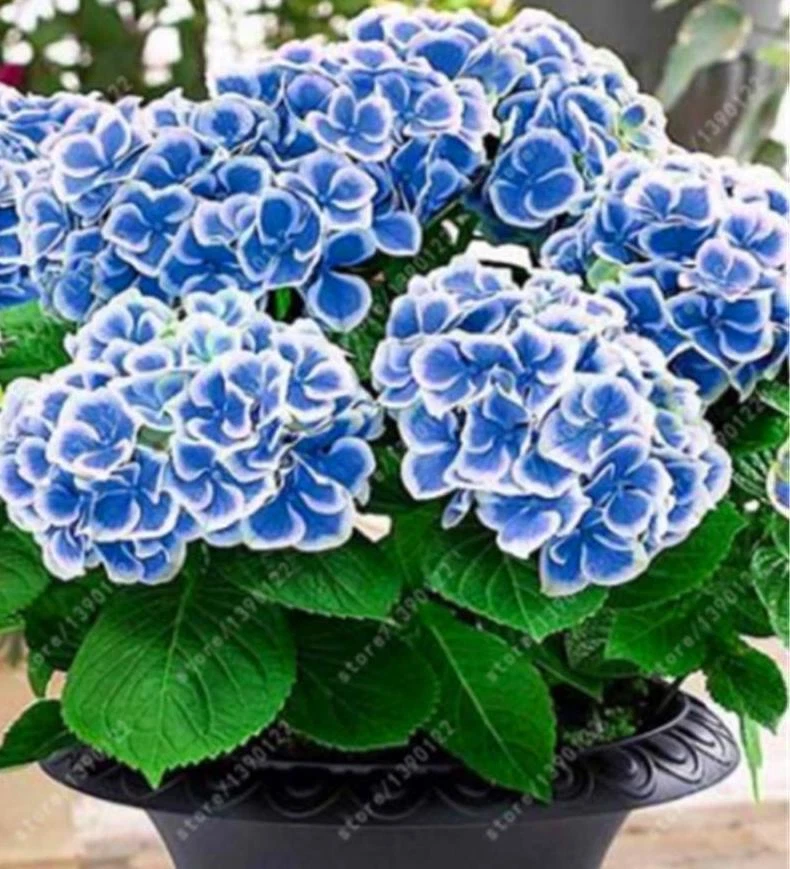
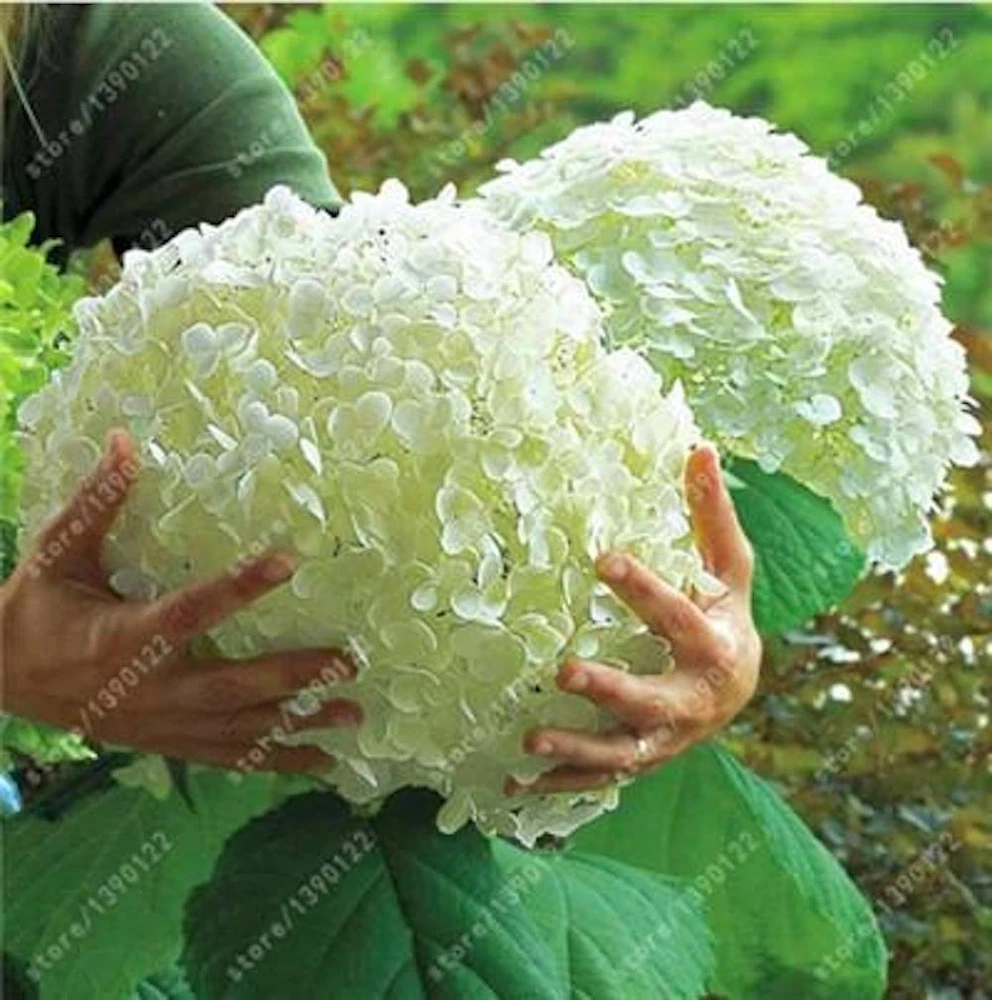
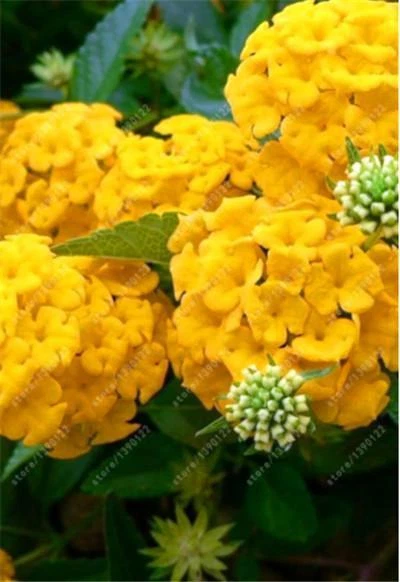
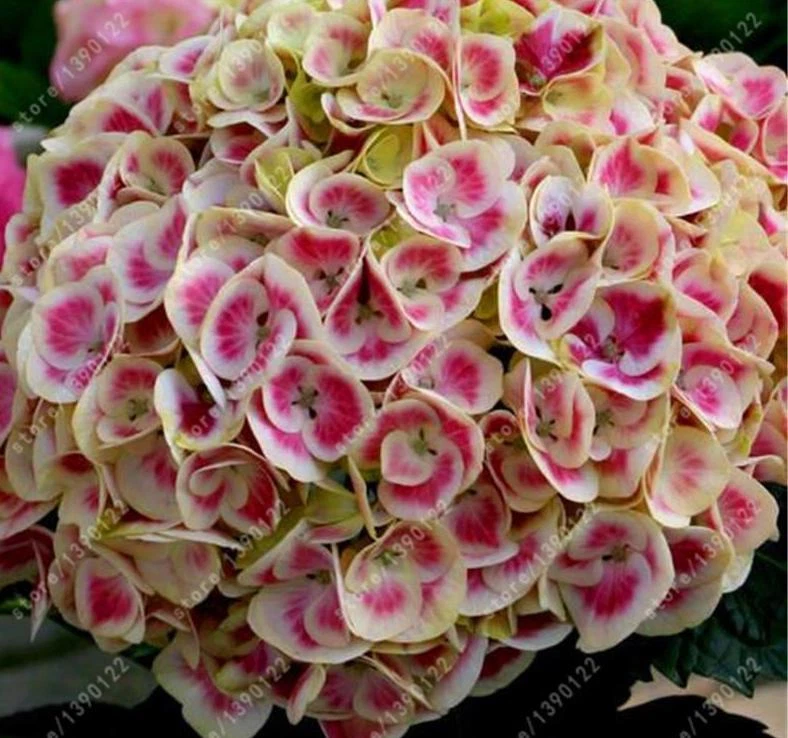
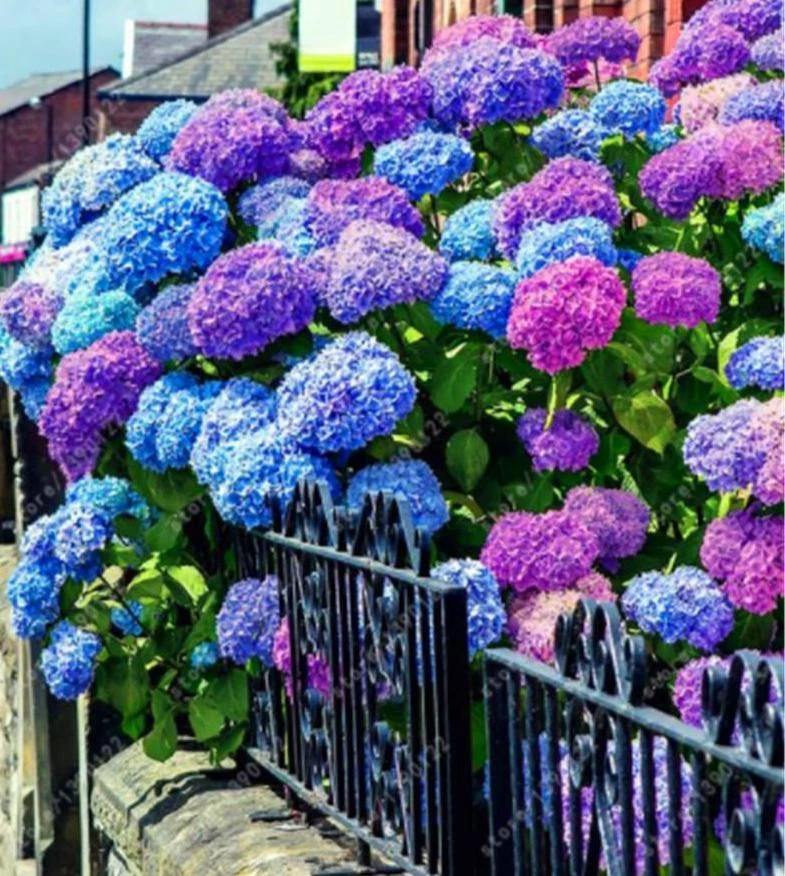
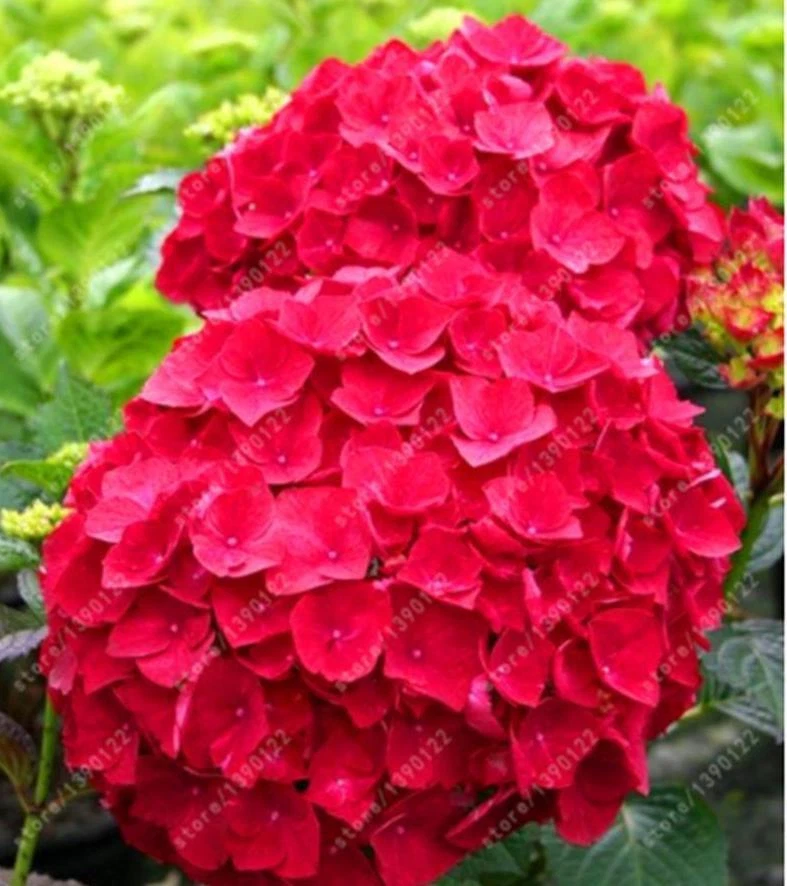
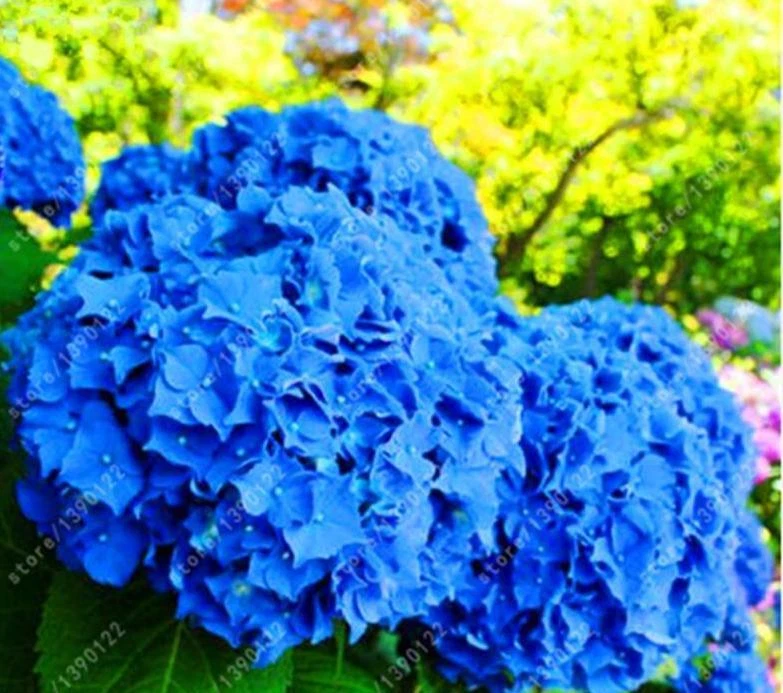
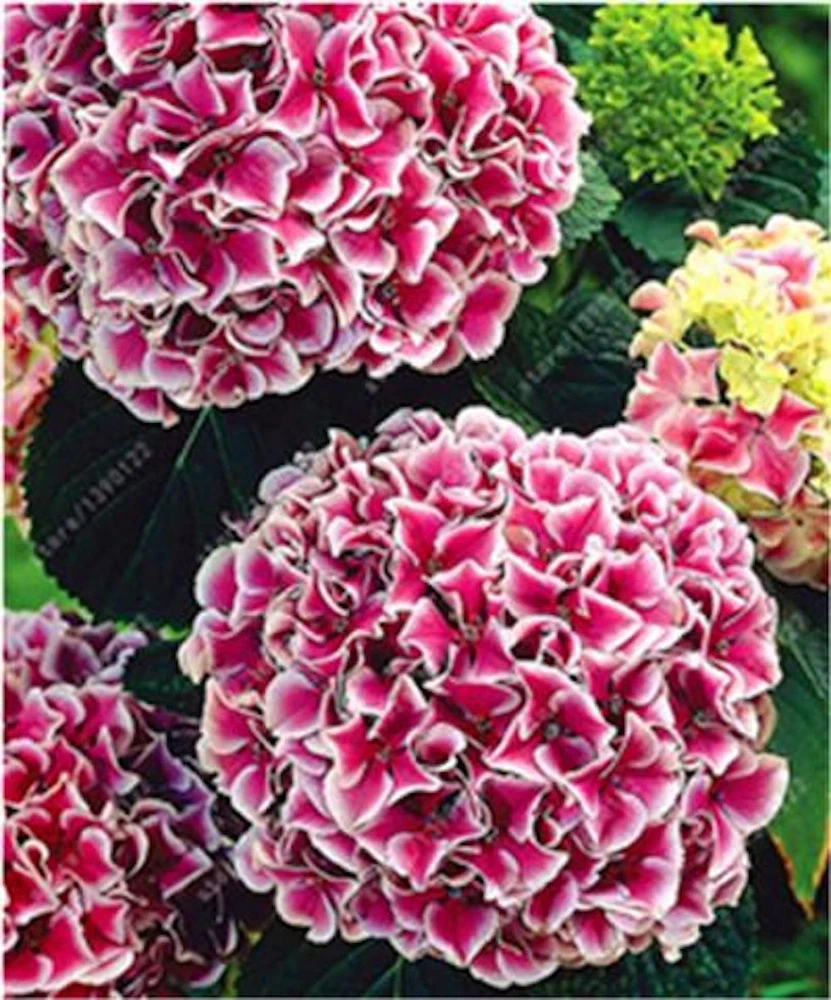
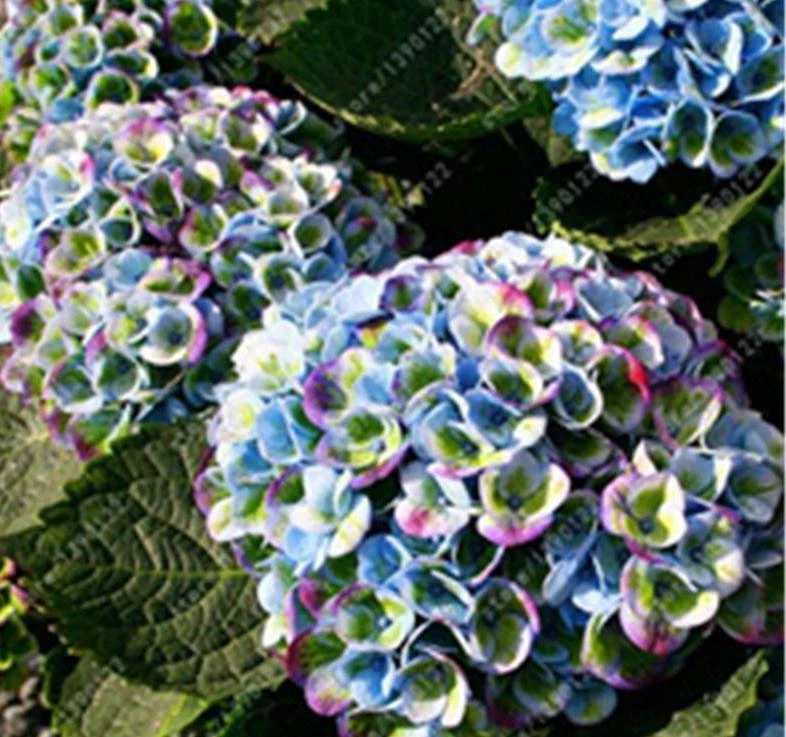
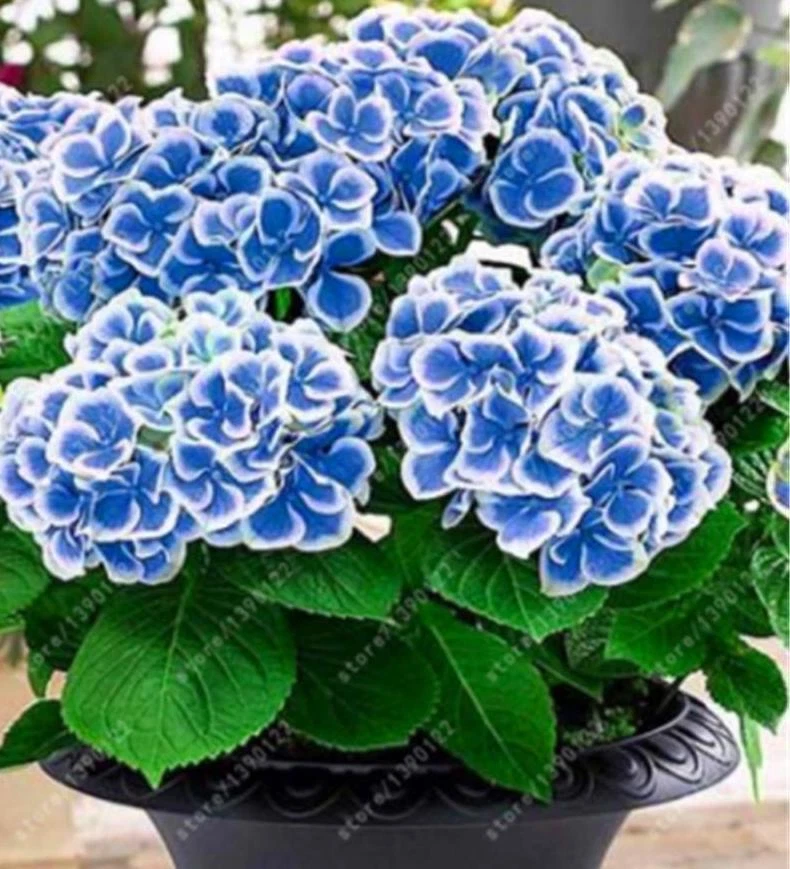
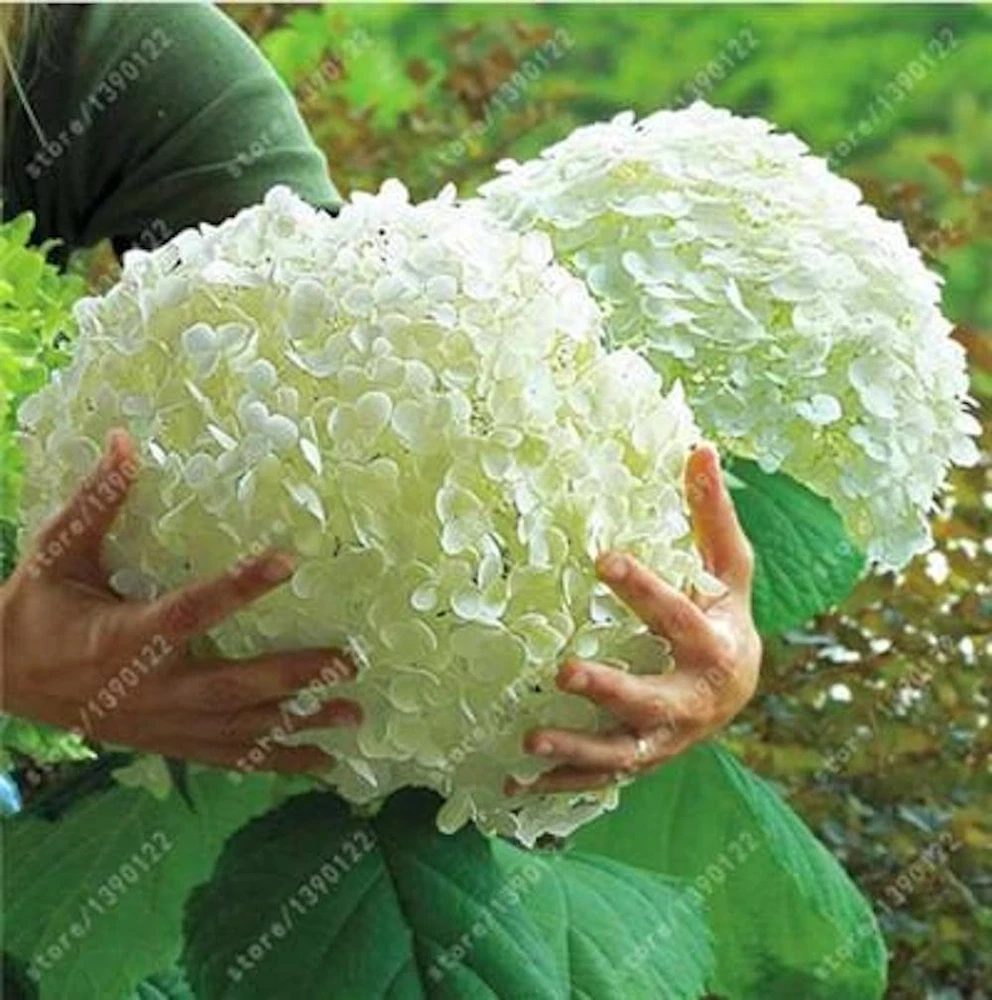
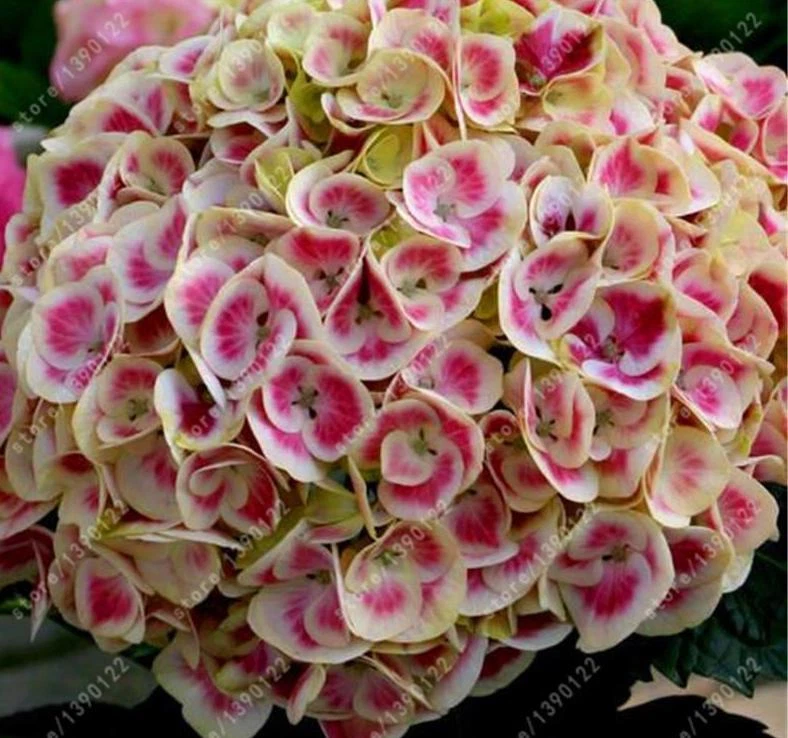
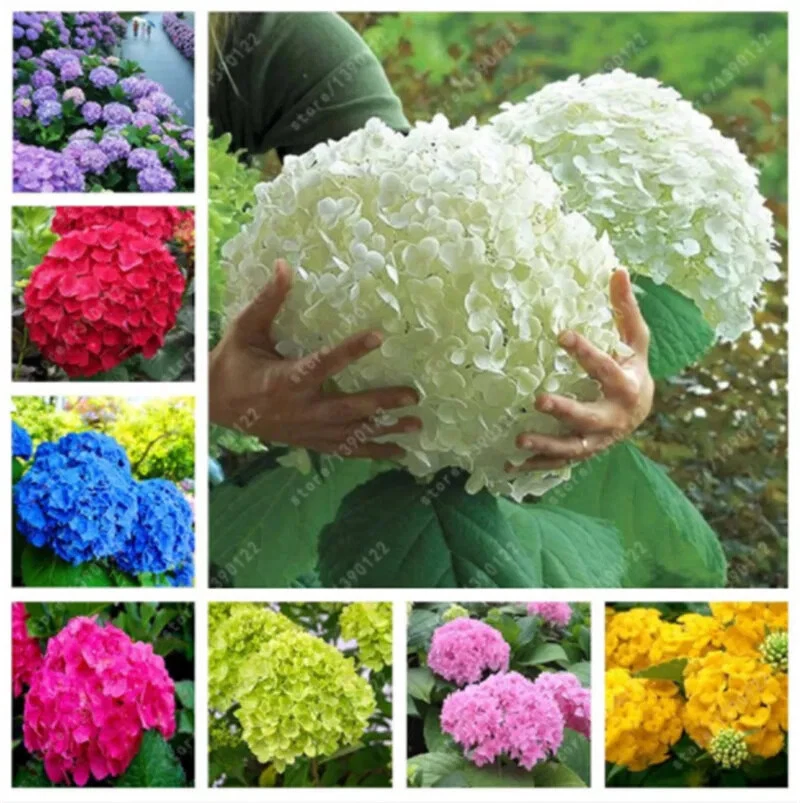
20 EXOTIC RARE HYDRANGEA SEEDS for garden flower beds plant bush USA SELLER USPS
$4.22
In Stock
Product Specifications
Indoor/Outdoor: Outdoor
MPN: Does not apply
Season of Interest: Fall, Spring, Summer
Features: Flowering, Hybrid
Cultivating Difficulty: Easy
Genus: Hydrangea
Brand: Unbranded
Type: Hydrangea seeds
Seller Notes: “6 MONTH FULL WARRANTY ON ALL SEEDS TO GIVE YOU TIME (60 DAYS OR MORE) FOR GERMINATION PROCESS!”
Common Name: Hydrangea
Life Cycle: Perennial
Climate: Humid Continental
Sunlight: Medium Sun
Watering: Medium
Quantity:
Product Description
Inner 20 EXOTIC RARE PEONY SEEDS for garden flower beds plant bush USA SELLER USPS $8.45 Shop 20 EXOTIC RARE CLEMATIS SEEDS garden flower plant vine climber USA SELLER USPS $7.45 Shop 20 JAPANESE WEEPING CHERRY TREE SEEDS for garden flower blossom USA SELLER USPS $8.75 Shop PREMIUM LONG SLEEVE GARDEN GLOVES gauntlet style rose pruning cactus protection $19.85 Shop 20 EXOTIC rare IRIS SEEDS for garden perennial flower beds plant USA SELLER USPS $7.45 Shop 20 EXOTIC RARE HYDRANGEA SEEDS for garden flower beds plant bush USA SELLER USPS Inner INCLUDES: 20 HYDRANGEA SEEDS OF CHOICE COLOR OR SPECIES. Germinating hydrangea seeds can be a tough process, as hydrangeas are typically propagated through other methods like cuttings or division. However, if you're interested in trying to grow hydrangeas from seeds, here are some general instructions to help you: 1. Seed Stratification: Hydrangea seeds require a period of cold stratification to break their dormancy. Moisten a paper towel or coffee filter, place the seeds on it, and fold it over to cover them. Put the moistened seeds in a sealable plastic bag and refrigerate them for 4-6 weeks at a temperature around 35-41°F (2-5°C) . This mimics the natural winter conditions that hydrangea seeds need to germinate. 2. Seed Sowing: After the cold stratification period, prepare a seed tray or small pots with a well-draining seed-starting mix. Moisten the soil lightly before sowing the seeds. Sow the hydrangea seeds on the surface of the soil and press them gently into the soil, but do not cover them as they require light to germinate. 3. Germination Conditions: Place the seed tray or pots in a warm location with indirect sunlight. The ideal temperature for germination is around 68-75°F (20-24°C). Keep the soil lightly moist, but avoid overwatering. You can cover the tray or pots with a plastic dome or plastic wrap to create a humid environment that helps retain moisture. 4. Seedling Care: Be patient, as germination for hydrangea seeds can be slow and may take several weeks or even months. Once the seedlings have developed several sets of true leaves, they can be transplanted into individual pots or containers. Use a well-draining potting mix and ensure the pots have drainage holes. Provide the seedlings with bright, indirect light and maintain a temperature range of 65-75°F (18-24°C). It's important to note that growing hydrangeas from seeds can be a lengthy and uncertain process. Additionally, the resulting plants may not exhibit the same characteristics as the parent plant, as hydrangeas are often propagated through other methods to maintain specific traits. Patience, experimentation, and a love for gardening are key when growing hydrangeas from seeds. CONDITION: INSPECTED AND STORED PROPERLY 6 MONTH FULL WARRANTY ON ALL SEEDS TO GIVE YOU TIME (60 DAYS OR MORE) FOR GERMINATION PROCESS! CONTACT US BEFORE LEAVING ANY FEEDBACK. WE CAN SHIP OUT NEW BATCH OR REFUND IN FULL SHOULD SEEDS FAIL 60 DAY GERMINATION PROCESS. INSTRUCTIONS BELOW. The germination rate of hydrangea seeds can vary significantly depending on the specific hydrangea species or variety, seed quality, and germination conditions provided. In general, hydrangea seeds have a relatively low germination rate compared to other plants. On average, the germination rate for hydrangea seeds can range from 10% to 40%. It's important to note that hydrangeas are typically propagated through other methods like cuttings or division because growing hydrangeas from seeds can be challenging. Hydrangea seeds have a hard outer coat that can inhibit germination, and the resulting plants may not exhibit the same characteristics as the parent plant. Therefore, if you're specifically aiming to propagate a particular hydrangea variety, it's often more reliable to use other propagation methods. If you decide to try germinating hydrangea seeds, be prepared for a lower germination rate and have patience as the process can be slow. It's also worth noting that some hydrangea varieties may have higher or lower germination rates compared to the average, so the actual germination rate can vary from one variety to another. WHY HYDRANGEA? There are several different types and varieties of hydrangea plants, each with its own unique characteristics. Here are some popular types of hydrangeas: 1. Bigleaf Hydrangea (Hydrangea macrophylla): This type includes both mophead hydrangeas, which have large, rounded flower clusters, and lacecap hydrangeas, which have a flat cluster of small flowers surrounded by larger showy flowers. Some popular cultivars include 'Endless Summer,' 'Nikko Blue,' and 'Twist-n-Shout.' 2. Oakleaf Hydrangea (Hydrangea quercifolia): Named for its distinct oak-shaped leaves, this hydrangea produces cone-shaped flower clusters and often exhibits beautiful fall foliage. 'Snow Queen' and 'Alice' are popular cultivars. 3. Panicle Hydrangea (Hydrangea paniculata): Panicle hydrangeas have cone-shaped flower clusters that can range from white to pink and even develop a reddish hue as they age. 'Limelight,' 'Pinky Winky,' and 'Little Lamb' are well-known cultivars. 4. Smooth Hydrangea (Hydrangea arborescens): This type features large, round flower clusters and typically has white or creamy white flowers. 'Annabelle' is a popular cultivar known for its large, showy blooms. 5. Climbing Hydrangea (Hydrangea anomala petiolaris): As the name suggests, this hydrangea is a climbing vine that can cling to walls or fences. It produces large clusters of white flowers and has attractive, dark green foliage. 6. Mountain Hydrangea (Hydrangea serrata): Mountain hydrangeas are similar to bigleaf hydrangeas but tend to have smaller flowers. They often exhibit lacecap flower clusters and are known for their ability to change flower color based on soil pH. Popular cultivars include 'Bluebird' and 'Preziosa.' These are just a few examples of the different types of hydrangeas available. Within each type, there are numerous cultivars with varying flower colors, sizes, and growth habits. When choosing a hydrangea, consider factors such as desired flower color, plant size, and growing conditions in your garden. Shipping: We have FREE SHIPPING on all items in store. Returns & Warranty: We accept any items for returns and refund full value. Our policy is 100% satisfaction or money back. USB RECHARGEABLE LED CAMO COLLAR Camouflage Pet Dog Glow Flashing Light Safety Shop $7.00 PREMIUM LONG SLEEVE GARDEN GLOVES gauntlet style rose pruning cactus protection Shop $19.85 GOGGLES LASER GLASSES ADULT eyes full cover protector safety splash protection Shop $8.45 Home & Garden Pet Supplies Cell Phones & Accessories Videos Your browser does not support HTML5 video. Your browser does not support HTML5 video. Your browser does not support HTML5 video. Your browser does not support HTML5 video. Shipping Returns We ship every day Monday - Friday. We hope you will love your purchase, however if you need to return it, we have a 60 day return policy. eBay listing template by 3D sellers.com - Try for Free!